Commercial Storm Damage in Geist, IN
Commercial water intrusion in Geist handled start to finish. Dry in, extraction, structural drying, ceiling and finish rebuild.
Searching for Commercial Storm Damage near Geist? Geist Water Restoration dispatches 24/7, documents everything, and works with your insurance carrier from first call to final walkthrough. Call (463) 223-3831.
- Service: Commercial Storm Damage for Geist homeowners
- Service area: Geist, IN and surrounding areas
- Response time: Same day emergency response for Geist; 24/7 availability
- Licensed and insured (License #RC21100059)
- Serving Geist, IN since 2018
Commercial Storm Damage Cleanup in Geist
We'll secure and dry commercial buildings in Geist after a storm opens the roof or floods a lower level.
Storms Here
Spring and summer are severe thunderstorm season here. NWS Indianapolis posts summaries of past storms, which helps when your carrier asks for a date.
We respond to storm calls from businesses anywhere in Geist, including those around Indianapolis Yacht Club and Indianapolis Sailing Club. We also handle commercial storm damage in Lawrence, McCordsville, Fishers and Noblesville.
Commercial Storm Damage for Geist Businesses
You're the one who has to tell ownership what happened and what it will cost, and right now you've got a wet floor plate and a roof you can't see from the ground. Geist Water Restoration handles commercial storm intrusion across central Indiana with crews that document a loss the way a carrier's consultant will want to read it. Geist Water Restoration dispatches to Geist, IN within two hours, and the moisture log starts the day the water does.
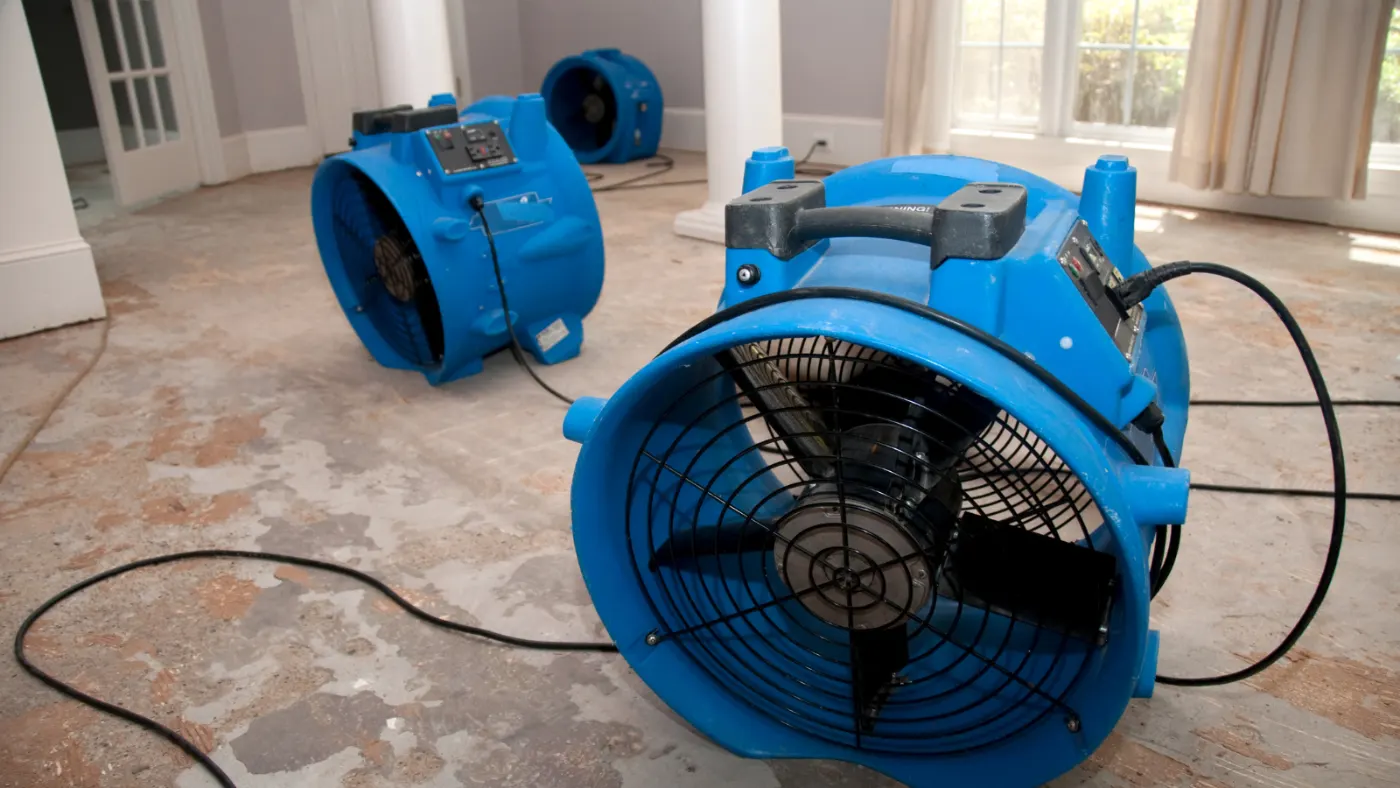
Drying equipment on a commercial floor plate needs power the building may not have to spare. Geist Water Restoration crews calculate the load before anything gets plugged in, pull from panels that can carry it and bring distribution boxes or generator capacity when they can't. Desiccant units handle open floor plates, and refrigerant units handle enclosed suites in your Geist building.
Extraction comes before any drying equipment goes in on commercial losses in Geist. Portable and truck mounted units pull standing water off hard floors and out of glue down carpet. Water sitting in the plenum gets released through controlled openings in the grid so it stops dripping onto tenant equipment for the next two days. Only then does the drying chamber get built around what's left wet.
Policies set deadlines for reporting a loss and for submitting proof of loss, and the dates differ from one policy to the next. Your broker has them, so ask early. The records Geist Water Restoration keeps on your Geist job are dated from the first visit, which makes it easier to answer a request from the carrier when it comes.
Water that reached a second floor has usually passed through everything in between. Call Geist Water Restoration for a two hour dispatch to your Geist commercial property, and a crew will trace it with thermal imaging and meters before anything gets cut. Per suite documentation is available for multitenant buildings.
Signs You Need Commercial Storm Damage Restoration
If you notice any of these in your Geist building, schedule a free inspection before the issue worsens.
Silt or sediment left as a film on the receiving area floor once the water drains off
Wet or stained carpet along an interior column line with no plumbing fixture anywhere near it
Water tracking under the seals of overhead dock doors and pooling in the leveler pit
A supply diffuser dripping water or showing rust streaks after a storm
Corrosion on a fire sprinkler line or head where the pipe runs close to the roof deck
Open seams, shrinkage at a membrane lap, or a corner of the roof lifting in wind
Bubbles, blisters, or soft spots underfoot when you walk a low slope membrane
Breakers tripping in a mechanical room or electrical room that sits under a roof penetration
Carpet tile that squishes underfoot along the glass line of a storefront or window wall
Receptacles on an exterior wall that trip the breaker or show beads of moisture
How Geist Water Restoration Handles Commercial Storm Damage
We follow these steps in order on every Geist job.
Water Category Call
Rain that started clean can worsen in category as it sits, so the crew classifies the water as it entered and again as it has aged. That call sets which materials get cleaned in place and which come out.
Cavity Inspection Openings
Where meters or thermal imaging point to hidden water, the crew opens a small inspection hole or lifts a tile. What the probe finds inside decides how much larger the cut needs to be.
Structural Drying Setup
Dehumidification is sized to affected cubic footage, desiccant for open floor plates and refrigerant units for enclosed suites. Air movers go in at calculated angles. The crew checks available amperage and brings distribution or generator power when building panels can't carry the load.
Midpoint Scope Review
Partway through the job, the crew compares the readings with the projected equipment period and tells the property manager if the schedule or the scope has moved. Added removal is photographed and explained before the work starts.
Ceiling and Finish Rebuild
Grid gets releveled, new lay in tile goes in, and insulation is replaced to the assembly's original value. Painted surfaces get primed and finished to a line that reads as original, and flooring goes back once slab readings allow it.
Commercial Storm Damage in Geist
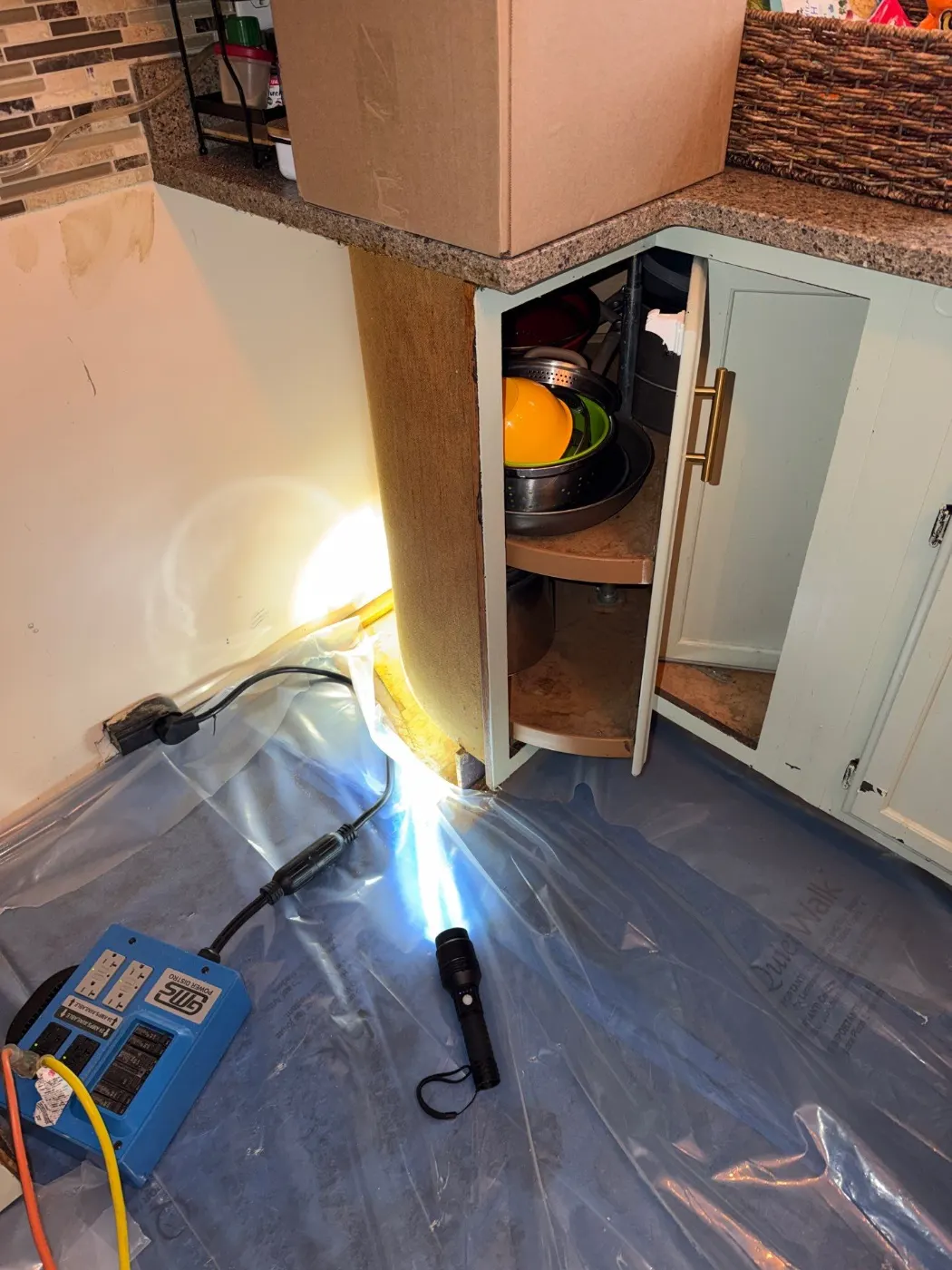
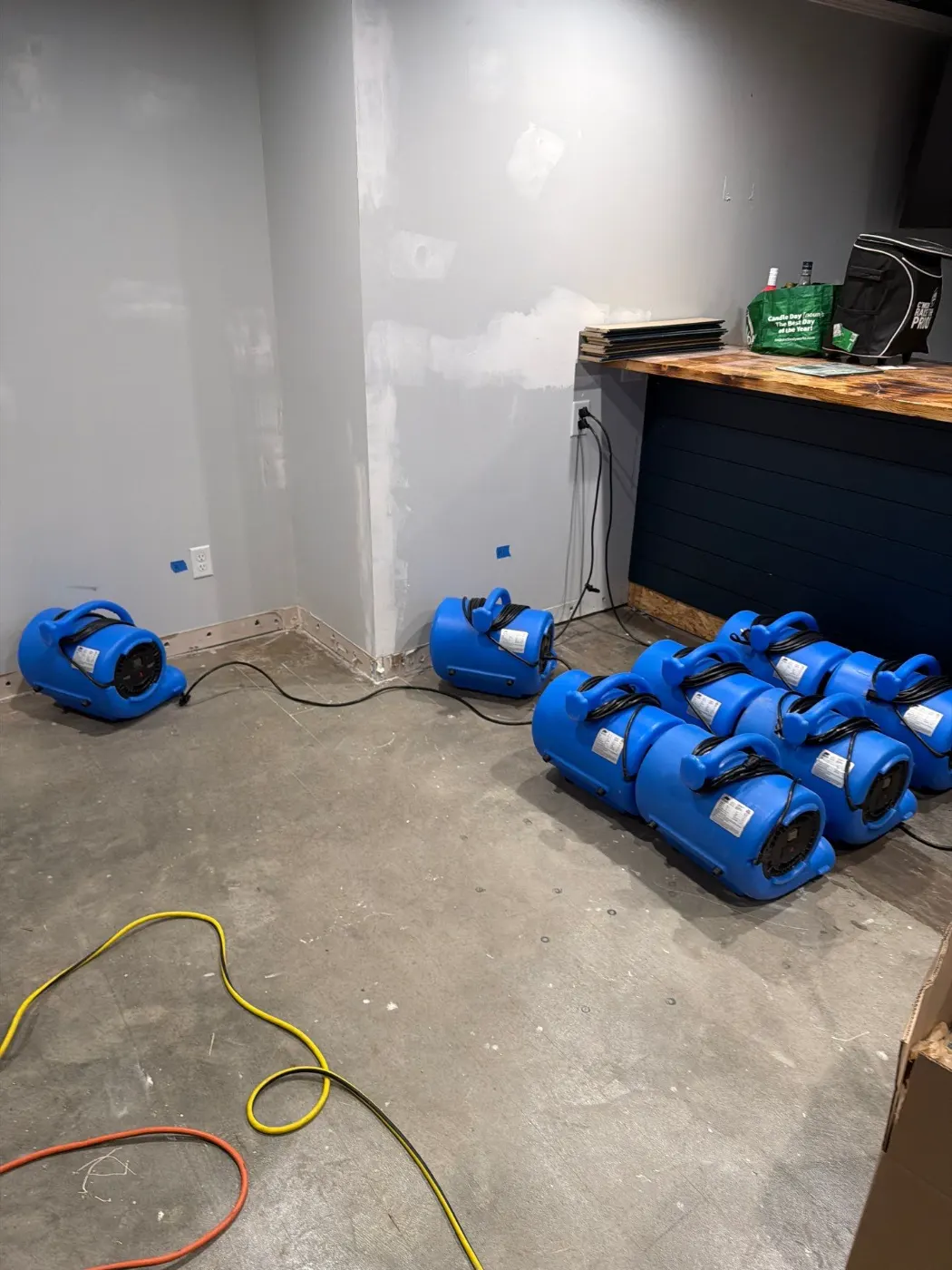
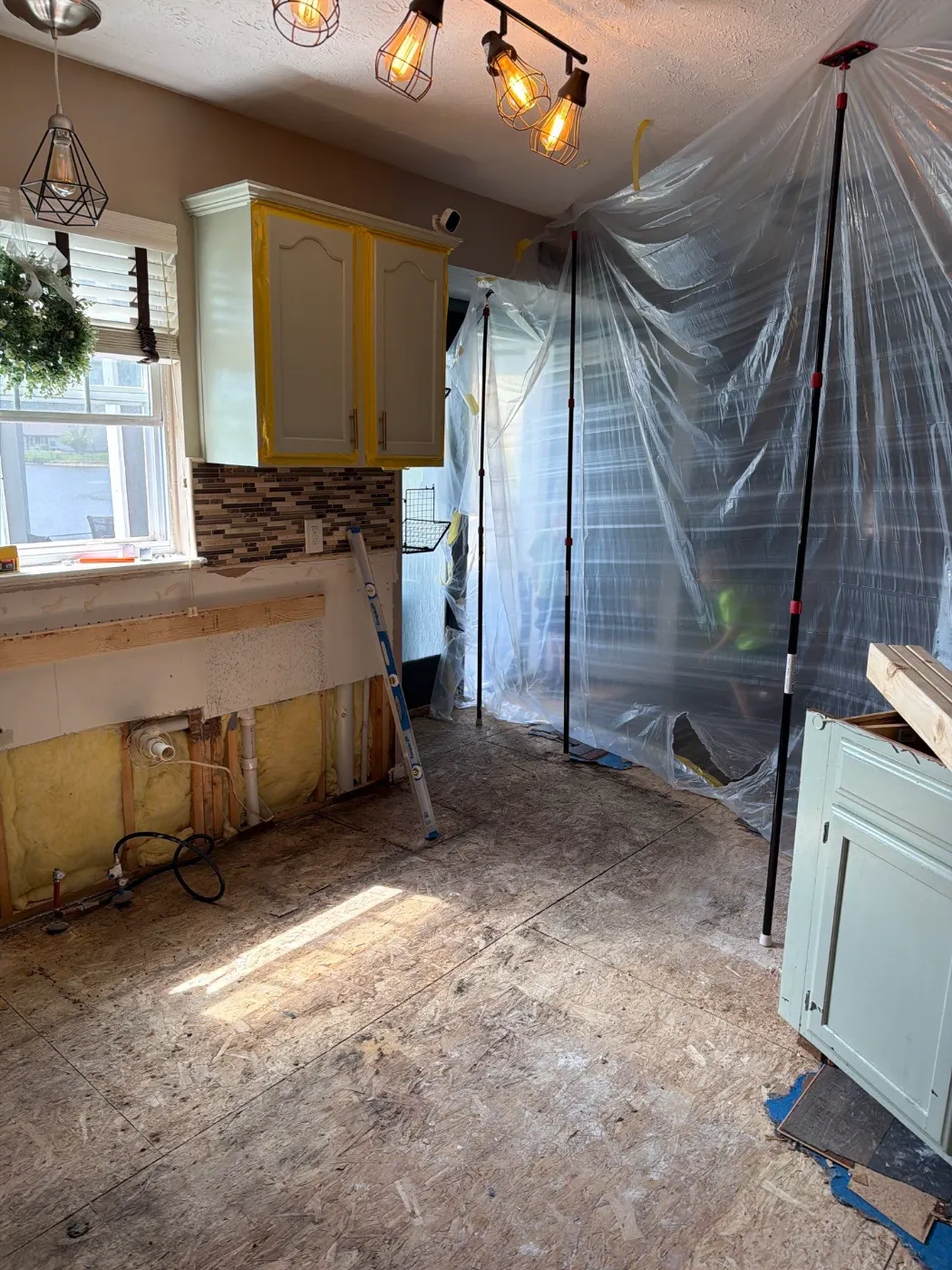
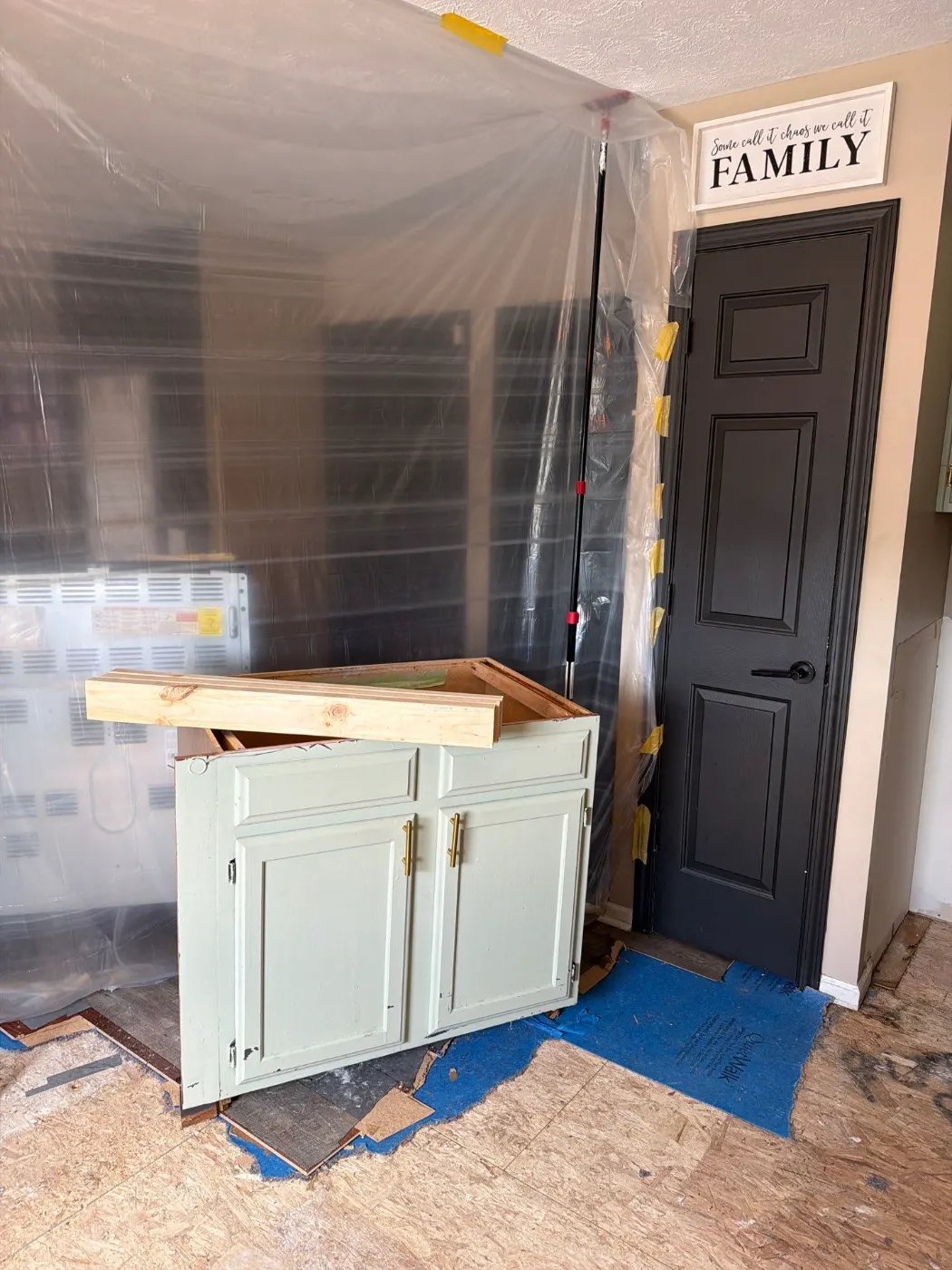
Photographs from real commercial storm damage jobs completed by our crew in Geist and surrounding areas.
Commercial Storm Damage FAQ
Questions Geist property managers ask us about commercial storm damage restoration.
Guidance and Standards for Commercial Storm Damage
- The National Weather Service office in Indianapolis posts summaries of recent central Indiana storm and flood events. NWS Indianapolis Event Summaries
- The ANSI/IICRC S500 is the published standard for professional water damage restoration. The current edition is the Fifth Edition, 2021. IICRC S500 Standard
Geist Neighborhoods We Serve
We take commercial storm damage calls in every part of Geist. Pick your neighborhood for local details.
Other Restoration Services in Geist
Geist Water Restoration handles the full scope of restoration work. Explore our other services below.
Water Damage Restoration in Geist
24/7 emergency response. IICRC certified water restoration from extraction to full dry out.
Learn more →Basement Flooding in Geist
Basement water emergencies handled fast. Extraction, drying, mold prevention.
Learn more →Sewage Cleanup in Geist
Category 3 biohazard cleanup. Full containment, decontamination, structural restoration.
Learn more →Request Commercial Storm Damage Restoration
Reach Us Directly
Our team is available 24/7 for emergencies and ready to schedule inspections during business hours.
Need Immediate Help?
For active water or mold emergencies, call us directly. We are available 24/7.